Saturday, March 2, 2013

The Amazing Spider-Man


I refrain from comparing new adaptations to existing properties in film, I consider it unfair and pointless because the director’s visions are wildly different and shouldn’t be compared to each other. After all, I never compared Christopher Nolan’s Batman trilogy to Burton’s film, and while I did include references to Batman and Robin it was only for humorous purposes. I only bring this up because I plan on doing it for the first time today, and let me tell you why.

In 2002 acclaimed director and pioneer of cinematography Sam Raimi gave the world the first real film adaptation of Spider-Man that didn’t turn out to be a colossal joke.


Oh for Christ's sake...

Casting talented actors in well written roles, injecting his usual brand of humor and brilliance, and even creating a new film-making method to properly convey the style of Spider-Man’s signature parkour fighting style and web-slinging, Sam Raimi brought a film to life that was a perfectly balanced story of superheroes and human drama.

Raimi followed this up with two highly successful sequels: Spider-Man 2, which in my mind rates up there with X-men 2 and The Dark Knight as the best comic book films to date, and Spider-Man 3, which was… less impressive. Spider-Man 3 is a lot like George Romero’s Day of the Dead for fans like me, it was a subpar film compared to the first two, but no one really holds Sam Raimi accountable for its failures. The amount of production interference in the film is now legendary, forcing Raimi to make changes to the film such as making Flint Marko responsible for Uncle Ben’s death, including scenes that in no way belonged in the film, and forcing his hand in telling the story of the symbiote. They even went so far as to make him include the villain Venom, which Raimi fought against vehemently because he even stated that he didn’t understand the character and didn’t want to do him an injustice.

Afterwards Raimi was looking forward to redeeming himself with Spider-Man 4, but before he could get too far the studio cancelled his project and began to develop a new darker, more realistic Spider-Man film to follow the success of Nolan’s Dark Knight trilogy. Raimi’s films were never completed, and the only pause between the conclusion of his films and an unnecessary reboot was the breath the pitch manager had to take between announcing the end of Raimi’s films and the upcoming reboot. All this film is trying to do is make a quick cash grab while Spider-Man  is still fresh in people’s minds, and for that reason I am going to absolutely hold it to the same standard as Raimi’s film legacy.

I can’t really say I hated The Amazing Spider-Man, in fact I can’t even really say The Amazing Spider-Man was a bad movie. It wasn’t a great movie by any means, but I’m sure a lot of people liked the film, and as I’m going to cover later there were even several parts of the film that I actually enjoyed myself. But the biggest thing that this film also isn’t is a Spider-Man film, and we’ll discuss why.

The biggest problem I had with the film was the mind-bogglingly bad choice of tone. Now for those of you not as invested in film as I am (also known as healthy, normal adults) tone is the overall mood or feeling of a film, and can usually be established very early on in a film through the use of shading, direction, music, and atmosphere. For example, compare the feeling you had while watching Christopher Nolan’s Batman trilogy to that of Joel Schumacher’s Batman Forever, or worse, Batman and Robin. Nolan’s films perfectly convey the feelings of dread and dark atmosphere that are such a staple of the Batman universe, while Schumacher’s films convey a feeling of something you would see in a clown academy or a circus. Tone is the most important thing to establishing how the audience should feel while watching a film, and with some decent directing it can make you feel anything from happy, to scared, to tense, and one of the best examples of properly setting a tone can be found in one surprisingly awesome scene from the surprisingly awesome CW show Supernatural.

First, some back story to the scene. Lucifer has been freed from Hell and has released the four horsemen of the Apocalypse, calling on Death to unleash a massive storm that will wipe out the city of Chicago. Our hero Dean Winchester has been tasked with using Death’s legendary scythe to cut the ring from Death’s finger and stop Lucifer from beginning the Apocalypse (this is probably the coolest sentence I have ever written) when this happens:


This scene resounds even more emotionally with fans because this is the first time we ever actually see Dean legitimately scared. The man has faced down demons, ghosts, vampires, and even Satan himself, and he always faces death with a quirk or a grin, but this scene is the first time we actually see him worried, speechless, and flat out scared of the man he is dealing with when he brings up the idea that one day he will have to kill God.

He has reason to be scared as well, but even though this is Death we are talking about Death never really tries to intimidate the man who was just trying to kill him. He lets his past and his future tasks do the talking for him, and even after going out of his way to tell Dean that he has no intention of killing him the way he does this makes Dean even more frightened of his abilities. The writing in this scene is so good that Death never relies on clichés to make him sound terrifying, it just comes across naturally in the dialogue and with the actor’s subtle nuances and annoyance at being Lucifer’s pet.

Now onto the scene construction itself, notice how the framing, lighting, shading, and blocking all construct a sense of light versus dark, good versus evil. Dean is always shown in good lighting and contrast and his face is always visible while Death’s face is always partially in the shadows, almost like he is one with them like Colonel Kurtz in Apocalypse Now. The only time we really see his face well lit is when lightning strikes, which is always during poignant points in his speech, and I don’t know if this is Death’s intention or a personal touch from the director himself, but either possibility is absolutely brilliant in terms of filming.

The music is pitch perfect to setting the tone as well, a dark piece of work that conveys a sense of tension at what is happening on screen. Notice how Dean’s dialogue is always nervous and naïve, a subtle reference to the naïve nature of innocence as opposed to Death’s knowledgeable and often angry tones, often times disgust bordering on hatred. One final note is that in almost every scene Death is in he is fond of eating junk food, a reference to the Freudian theory of the “Death Drive”, a theory that states in order for a human to sustain life, he must create death (i.e. destroying the food he is eating). You probably didn’t even notice these touches while watching the scene but then again that’s the whole point of setting a proper tone and making allusions, your brain is absorbing this information to establish what is going on in the scene even if you aren’t aware of it.

Now, if the C-freakin’-W channel can construct proper tone in a scene as brilliantly as this, then how the hell can a film with such a massive budget completely miss the tone of what Spider-Man is all about? I don’t really know which is worse, choosing the wrong tone like in this film, or having a flat, boring, vanilla tone like the stupid Twilight films, but as much as I hate those movies, they never come across as a comedy, which is the equivalent to how wrong these films feel. How could they screw this up so badly? Quick answer… riding the coat tails.

You may have noticed this trend in Hollywood that is getting flat out annoying at this point… the gritty reboot. It started with some properties that benefitted from the realistic approach such as Casino Royale, Batman Begins, or True Grit. Adapting an established property to an appropriately darker tone can be a great way to remind everyone of what the property should be. James Bond was originally known as an amoral and dark secret agent instead of a suave and campy playboy, and Batman was always legendary for being the darkest and broodiest of well established comic heroes.

But in the last five or six years gritty reboots and re-imaginings have gotten so far out of control that it’s f**king annoying. In fact I’ve brought this up before, but between 2007-2010 over 95% of all Hollywood films were either reboots, re-imaginings, prequels or sequels. A few years ago I made a crack about how they were going to eventually make a gritty reboot of Hansel and Gretel, but things have gotten so out of control that they recently did just that and now I almost feel bad about it, like someone who picked on the retarded kid on the playground. The point is that now Hollywood’s “Hey, me too!” attitude has decided that Spider-Man, the happy, comedic, most feel-good comic on the Marvel roster needed the Dark Knight treatment and made it into a dark film as well. This is such a bad choice in direction, not only did it completely undo everything Spider-Man is about, but the tone and atmosphere through the whole movie are tainted with this new approach.

 As if this wasn’t bad enough, they decide to completely undo this baffling decision with an even more baffling choice in villain. The film goes out of its way to make this film darker and more realistic, which I don’t like, but I can kind of understand because it’s the hot ticket in Hollywood right now. But then they completely ruin this approach by having Spider-Man fight a giant dinosaur. At least in Sam Raimi’s films (until we hit 3 at least) the villains seemed like they were distantly possible due to science gone wrong. After all, enhanced gene therapy (which created the Green Goblin) and cybernetic nanotechnology (which created Doc Ock) have been in development for years with DARPA, so these characters seemed a lot more believable than the Lizard ever was.

To top this off, they also made the Lizard a boring as boring and uninteresting as possible, making his only motivation wanting to fix his missing arm. In the comics Kurt Connors was always riddled with guilt over his transformations, often leading to him attempting suicide on many occasions. Here however, he seems to revel in the role of evil, and goes out of his way to be a prick for no reason to be evil than for the sake of being evil.

Horrible choice in atmosphere aside, there were plenty of other things to dislike about this film. One of the biggies was the director trying to make Peter Parker more relatable to kids through a myriad of terrible changes to the character. Peter Parker was created in a time when nerds were universally unacceptable to be associated with in high school, this is why for nerds like me growing up Spider-Man resounded so deeply. It was a story of heroism despite the fact that the world had more or less turned his back on him. It was also the first time (besides Revenge of the Nerds of course) that the nerd was made out to be a hero, but most importantly, it was a story about personal problems first and being a superhero second. But now this movie doesn’t even give a crap about the characterization anymore, and this weenie on screen is unrecognizable as Peter Parker, and in a lot of ways unlikeable.

Whenever I joke about a studio making a character more appealing to kids the biggest joke I crack is always a stuffy producer saying “Give him a skateboard, kids like skateboards”. It’s humorous because it’s so stupid and out of touch with kids that it’s something that only a person with no finger on the pulse would propose, but in this film they actually make Peter Parker skateboard! It’s just another example of how this movie is just another soulless, heartless , assembly line film as opposed to the predecessors. Say what you will about Raimi’s trilogy, and it certainly had its list of flaws (especially the third), but no matter what you say about them you can at least tell that Sam Raimi interjected a lot of heart and soul into the film. He put a lot of himself into the cinematography, the music, and the story of the film, making it truly his vision and as a result, films with heart to them.

This is especially true in the second film, and what made it so magical was that not only was it so thoroughly Sam Raimi through the use of some of his signature techniques (especially the legendary “Sam-O-Cam”, but it was the best film to date when it came to capturing the essence of Spider-Man by making it a human story first, and a superhero story second. Remember Uncle Ben’s death in the first Raimi film? How powerful it was and how it resonated with both you the audience and Peter? It taught Peter the importance of using his powers responsibly through personal pain, hence the catchphrase “with great power comes responsibility”. Compare that scene with the completely emotionless death scene in the new film, and how it not only didn’t teach Peter anything about responsibility, but turned him into a bloodthirsty, revenge driven vigilante.

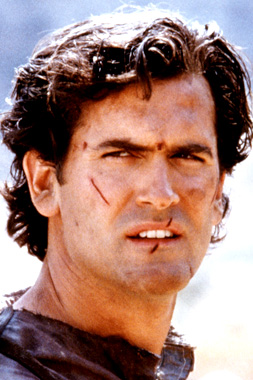
The last thing that really bugged me about the film is relatively small, but still irritating to me on a personal level, and you may not have even noticed it. In my X-men First Class review I made a stink about how lame Professor X and Magneto’s namesake was brought up in the film, just sort of thrown out in a kind “Meh, how about this name?” sort of way. Namesakes and creations are a big deal in the comic world, remember Bruce Campbell’s booming announcement and introduction of “The Amaaaaaaaazing Spider-Man!” in the first film?


How about Christian Bale’s legendary first delivery of “I’m Batman” from Batman Begins?


They’re great, standout scenes that establish the character’s names in a neat and unique way. How does this introduction go in the new film?

Man: Who are you?

Spider-Man: Um… Spider-Man.

Not exactly the same feel as the previous two examples eh?

Now believe it or not there were a few things about this film that I actually liked, the first and largest of which was Dennis Leary’s outstanding turn as Captain Stacy. Bringing a perfect balance of good cop and cynic to what could have been a thankless role, Leary really made this character shine, and presented the first real, believable reason of why a person may distrust Spider-Man to the films. Distrust of the webhead was always given to J Jonah Jameson in the original trilogy, and as much as I actually loved JK Simmons’ portrayal of him in the films they never really flushed out any reason of why he hated Spider-Man so much other than it sold newspapers. Here however, Stacy’s disapproval is explained in detail, and he views it as more of a disruption to justice than a personal vendetta of any sort.

I also liked how in the film they went out of their way to explain the origin of Peter’s webslingers as well as opposed to just having it as a part of the mutation. It was neat to kind of see him put these together as well as the rest of his costume, and even though it was a hamfisted attempt to do so I also appreciated how they went out of their way to explain what a scientific wunderkind Peter really was. Having him solve complex genetic equations that the best minds in the field couldn’t solve was a bit too much, but I at least appreciate the effort. Finally, I actually liked the quips and one-liners Spidey delivered in costume, as they seemed much more organic and real than the well written and rehearsed lines Tobey often used in the first trilogy. The one-liners in the new trilogy really seemed more fitting for the moment, and there were a few times where they actually had me chuckling at their use.

At the end of the day The Amazing Spider-Man isn’t really that bad of a film, but knowing the politics that went on behind the scenes, having the original trilogy still fresh in my head, and seeing this new soulless lifeless interpretation compared to the vibrant, colorful, and lively Sam Raimi films puts this movie in a negative light for me. Honestly, if the first three films had never been made I think I may have hated this film a little less, but since the studio decided it was so stinking important to push out another film as fast as they could the amount of care they put (or didn’t put) into the film is incredibly evident. Tell me that I’m seeing this movie with rose tinted glasses all you want, and you’re probably right, but in this case I think it’s only fair that these films should be held to a higher standard.

5.5 out of 10
I like directing my readers to other works they may enjoy, and for a great listen give the gentlemen on the podcast Reel Junkies a shot. A great and funny poscast featuring knowledgeable insight into film.

Sunday, February 17, 2013

Zero Dark Thirty


First of all I’d like to apologize for my infrequent posts, but things are kind of busy in my life. Luckily, I return with a long overdue review of what I consider to easily be the best film of last year.

Kathryn Bigelow has been on the fast track to Hollywood success since her out of nowhere military masterpiece The Hurt Locker, and since she knocked it out of the park with a film that showed audiences a side of war that they had never even imagined, it’s hard to think that lightning could strike twice with her desire to make a film about the most legendary manhunt in human history. But lo and behold, Bigelow delivers once again with an amazing story of a group of American heroes that we can never truly know about, mostly because a group of more visible Americans couldn’t wait to grab credit for that famous raid.

Now apparently there is a rumor in Hollywood that following her success with The Hurt Locker Bigelow wanted to make a film about the hunt for Bin Laden to showcase the amazing true story behind the operation. So she began to make her movie, but when president Obama’s administration got wind of this they began to pressure her and the studios to really elaborate how involved Obama was in the manhunt , to add more scenes of the president looking badass, and push the release date up to late October just in time for the elections. Bigelow initially agreed, but in secret actually removed any positive portrayal of the president or his administration and maintained the December/January timeline because she didn’t enjoy the disrespectful pressure being put on her.

Now again, this is just a Hollywood rumor, but when watching this movie it’s hard not to believe that this story or something very similar to it occurred during the filming. The presidential administration is mentioned very little throughout the film, and when we do see them they are portrayed as blithering idiots, useless bureaucrats, or just regarded with disdain by the main characters. At one point in the film (which occurs when Bush was leaving the White House and Obama was being sworn in) one of the main characters remarks to another that “our new boss isn’t going to protect us like our last one”, implying that the new president would be targeting defense personnel he didn’t agree with. There are countless other inferences, but it’s quite apparent that the talented Bigelow is not a fan of Washington politics, instead focusing on the hard work done by those in the Department of Defense.

One thing I should bring up right away is the opening, in which the director decided that in order to really take the audience back to a time where we truly hated Bin Laden she had to take us back to the World Trade Center attack. Now as soon as I saw the “September 11, 2001” flash across the screen the first thought in my head was “Oh no… not this again”. I consider it the oldest and most insulting tactic to bring up September 11th to elicit emotions from the audience, especially in films where it’s not even relevant to the plot.

Remember that Tom Hanks film Extremely Loud and Incredibly Close? You know, that subpar film that revolved around a kid trying to piece together his dead father’s last wishes? They could have had dear old Papa Hanks bite the farm in any number of ways, mugging gone wrong, car accident, disease, but nah… that wouldn’t manipulate the audience’s emotions enough. So the writers decided to take the easiest and laziest approach they could and put him smack dab in the middle of the World Trade Center, a decision that wasn’t necessary to the plot in any possible way or contribute to the story at all. It was a cheap trick to cash in on the most horrific event to take place in the audience’s memory just to manipulate them into feeling sadness from remembering that day, and then in turn think that the film was what caused them to feel that sadness and mistake genuine mourning for good direction.

Another horrendously offensive case is the lesser known Robert Pattison film Remember Me, which is completely unremarkable in pretty much every way. The producers seemed to know this, so they tacked on the most disrespectful death scene imaginable by having the main character die in the September 11th attacks… in a film that was made almost ten years after the event… and takes place at that time for no reason other than to exploit that event to manipulate the audiences feelings. It’s called Emotional Disassociation, and it’s the oldest trick in the Hollywood manipulation machine. It’s the same logic behind why people who share a near death experience think they are in love, they mistake the rush of adrenaline and heightened heartbeat as arousal to each other when it actually stems from the excitement of the moment.

But back to the point, when I saw those words flash on screen I almost hated the film right off the bat. Luckily, this film doesn’t try to exploit the event, it just does this to remind the audience of why we are in this massive manhunt in the first place. No cheesy CG re-enactment of planes crashing, no stock footage of the towers coming down, just darkness on the screen as actual terrifying 911 calls are played for about 30-45 seconds. Believe me, if there was even a whiff of disrespect in this scene I would have cried foul faster than anyone, but it’s actually handled with respect and dignity, and in no way exploits the events of that day.

The story follows the story of a woman only known as “Maya”, a CIA operative who spends almost ten years of her life tracking down Osama Bin Laden from the ground up. For obvious security reasons no one can be sure how much of this story is legitimate and how much is “Hollywood-ized”, but what is known (and professed by countless people in the Department of Defense) is that this woman in real life was almost single-handedly responsible for tracking down Osama Bin Laden and arranging the attack that many in Washington would later claim credit for.

What makes this story interesting is that it manages to “Forrest Gump” Maya’s tenuous journey on her massive manhunt by placing her in several real life terrorist events that occurred in real life. While I can’t be sure what events Maya was actually involved in and which are thrown in for drama are unclear, but including them in the film is a great idea because it will show the audience tragic events that the general audience will have no idea even happened. I mean, who had time to care about the Islamabad Marriott bombing when Mad Men was busy winning all the Emmys that night? And really… who should give a crap about the tragic Camp Chapman suicide bomb that claimed so many American lives when Lady Gaga was so busy making headlines with her meat dress or whatever.

Another thing I loved about this film was how it portrayed the jobs of these front line patriots, defense workers, soldiers, and other unsung heroes who risk their lives doing what must be done, and then facing the wrath of politicians when things don’t go their way. Countless times we see good people being crucified by their bosses or their own citizens for actions that saved countless lives, and I’m not even talking about torture here. One of the most dynamic things about Maya in the film was that she refused to relent on her pursuit of Bin Laden even when her supervisors told her that the heads in DC weren’t interested in her anymore. He even goes out of his way to mention how further pursuit of him would result in her career being hacked off at the knees. Politics is a dangerous and disgusting game, and this film does an amazing job of showing how it’s played.

The reason I keep bringing politics into this review is the fact that this is one of the few films out there to really show how screwed up the system (particularly this current administration) really is. Most Hollywood rush jobs would do a swell job delivering emotionally manipulative dialogue to a loud booming score to get the audiences blood pumping, but never once even breach the topic of politics in the military even when the film is about politics in the military. Hollywood prefers safe, kosher, easy to digest happy films that never really make the audience actually think for themselves. I’m all for an enjoyable popcorn chomping film, but they shouldn’t be the highest grossing films in the market. Don’t agree with me? Then why are Titanic and Avatar the highest grossing films of all time? It’s because they are very vanilla and are exceptionally mediocre, the epitome of 70% all around.

Now back to my personal favorite part of the movie, the actual raid. At first I thought that this scene was going to dive into the Hollywood schlock machine with overly long action scenes of Star Spangled ‘splosions, but the film actually plays the scene incredibly straight. There aren’t any scenes of unrealistic superhero moves or gun-fu, just straight up professional military movements supplemented with quick, crisp shots and fantastic cinematography.

I can sing praise for this film al day, but I’ll limit myself to two more things about the film that really blew me away. The film is chock full of fantastic performances, particularly from Mark Strong and relative newcomer Jessica Chastain, but fully stealing the show was the amazing turn in from the normally comedic Chris Pratt.  Pratt is best known to audiences as the lovable Andy from Parks and Recreation, but after beefing up and working on his badass chops he comes across as a totally believable and convincing SEAL team leader. Watching him deliver a performance like this after being established as a talented comedic treasure reminds me of when people began to realize Woody Harrelson was a fantastic actor after seeing him on Cheers for so many years. To see the man transition from this…


To this...


 So seamlessly is remarkable, reminding me of other versatile actors such as Gary Oldman and Paul Giamatti. It’s always great to see talent emerging in Hollywood, and I expect great things from the talented Mr. Pratt.

The second thing that I loved about this film (and already brought up in my last article) was the raid itself. While most action films go out of their way to show America as the good guys, Bigelow shows the more realistic approach without ever delving into making the SEALs look ruthless or cruel. I don’t want to ruin the sequence for those of you who haven’t seen it, but several instances in the scene show how these elite operatives will do everything they can to avoid unnecessary collateral damage while not hesitating to pull the trigger on anyone they deem a threat. It’s a brutally real shootout, and it manages to demonstrate the necessity of these actions without ever being disrespectful to operatives themselves.

This film is one of the best examples of how to create art out of real life in a film. It’s not afraid to take risks with the material or hurt people’s feelings in the process, and it’s such a breath of fresh air to see something like this come out in Hollywood once in a while. I can guarantee this film isn’t going to win many Oscars this year, not because it doesn’t deserve them, but because it didn’t bring up any hot issues at the moment (I guarantee the mediocre Silver Linings Playbook will walk away with all the awards this year because it is about mental illness) and the director probably burned a lot of bridges with people in Hollywood. Don’t go into this film expecting a “Rah Rah! Go America!” type of film, but instead expect a movie that will make you look at the necessity of heroes like Maya, her tactics, and the clandestine services in general.
 

10 out of 10

Thursday, January 3, 2013

Best Films of 2012

Top Five Heroes of 2012 (Updated)
1. Abraham Lincoln (Lincoln)-Great Emancipator, Liberator, Rail-Splitter and Ancient One, Abraham Lincoln is a man of many hats. What makes him different than most though is that he manages to wear each one with poise, dignity, good will, and love of his Constitution, making the tough choices that our modern politicians have fallen a long way from doing. As if this wasn’t enough to secure him a spot in movie stardom, his character is made even more remarkable because of the fact that this Abraham Lincoln fellow was supposedly a REAL person (no kidding)!

2. "Maya" (Zero Dark Thirty)-Dedicated, loyal, and utterly obsessed with hunting down the most wanted man on Earth, the CIA field agent known only as "Maya" (who is apparently based on the real life agent responsible for finding Osama) spends twelve years of her life doing what many claimed was impossible. While other bureaucrats above her are content to shift their focus on more career advancing goals, Maya never loses sight of what is important to her, and in doing so becomes the biggest hero that the American people will never know about.
3. Hulk (The Avengers)-Joss Whedon’s highly enjoyable magnum opus of Marvel properties was remarkable because so many characters were able to be so well developed in such a relatively short time, but the Angry Green Giant stood out in a crowd of awesome as the most exciting and likeable character of the bunch. After two duds (Eric Bana and Edward Norton) ruined poor Hulk’s reputation, Mark Ruffalo utterly captured the tragic sadness and unbridled rage that made comic readers fall in love with the character in the first place.
4. Ralph (Wreck-It Ralph)-Born into a life of being the villain for all time, Ralph grows weary of the business and decides to do all he can to become a good guy. His courage is commendable for facing down the impossible as he tries to become something better than what he is, and on the road to becoming a good guy he teaches children the secret to becoming a hero instead.
5. Tony Mendez (Argo)-When the only options left on the table are impossible ones, then you may as well go all out and come up with the most unrealistic and unlikely solution to save the day. CIA operative Tony Mendez creates the most far-fetched, insane, and remarkable solution to getting captured Americans home from Iran by using a Hollywood film crew to smuggle them out, setting the bar for crazy operations in clandestine services. Not only is this idea crazy enough to work in the film, but it was crazy enough to work in real life as well.

Top Five Villains of 2012
1. Mr. Silva (007: Skyfall)-Sophisticated, funny, and intensely psychotic, Javier Bardem turns in another standout villainous performance as the man James Bond was just a few life choices away from turning into. While his goals and the reach of his shadowy syndicate may seem vast and powerful at first glance, as the film progresses we learn that his one true desire and aim are much, much less impressive, but no less sinister. What makes him standout from the rest of the crowd though is that he easily slips into the top three Bond villains of all time, quite an accomplishment when you consider he faces competition the likes of Oddjob, Alec Trevelyan, and of course, Jaws.
2. Gollum (The Hobbit)-Peter Jackson’s follow up to his magnum opus has been getting mixed reviews and has emerged as a divisive piece of work, but one factor that remains just as fantastic as the previous installments is Andy Serkis’ brilliant portrayal of Gollum. Beautifully motion captured by Serkis and brought to life by the talented effects artists at WETA, this modern cinema legend once again brings a creepy tragedy back to film, and makes us wonder just how human a film creation has to be before it’s finally nominated by the film academy for “Best Actor”.
3. Andrew Detmer (Chronicle)-Creating a cookie cutter of a hateable villain is easy to do, but writing a believable tragic figure of a fallen hero  is one of the hardest things to do in a script. Andrew begins his journey as a demi-god with honorable and relatively benevolent actions, but as personal real world tragedies begin to compound on his already fragile ego we see how even someone with the best intentions can fall from grace and into madness.  Never before have we seen such a perfect archetype of the fallen angel since Darth Vader first graced the screens.
4. Bane (The Dark Knight Rises)-Hulking, menacing, and ruthlessly brilliant, the monstrous tactician known only as Bane brought Gotham City to its knees so effortlessly that even the audience is a little surprised when it happens. Brought to life by the immensely talented Tom Hardy, this incarnation quickly purges any lingering stench of the awful interpretation from Batman and Robin, and gives us a version more faithful to the Knightfall story arc we know and love. An unforeseen and unnecessary twist on the character towards the end of the film tarnishes his hard work however, and keeps him from climbing higher on the list.
5. Queen Victoria (Pirates! A Band of Misfits)-You would think someone with an agenda to kill the notorious seafaring class of murderers and rapists known as pirates would be a hero, you would be wrong, especially when the pirates are led by the hilarious and lovable Pirate Captain. While her motives to be rid of the pirates may seem normal on the surface, it’s not until we delve deeper into her true intentions that we discover what a monster she truly is.

Top Five Moments of 2012
1. Raid of the Canaries (Zero Dark Thirty)-Tense, taut, exciting, and brutally real, the actual assault on the infamous Pakistan compound is such a brilliantly directed gunfight that you almost don't even realize that there is barely any real action to it. This is one of the best shootouts i have ever seen in film history, but its real strength isn't in choreography, special effects, or camera tricks. Instead, the scene manages to perfectly convey a sense of accomplishment and realism while also showcasing the sheer brutality and inglorious necessity that is sadly inherent in such an operation.

2. The Last Stand (007: Skyfall)-James Bond films have certainly had their share of crazy situations and outlandish events, but the frantic and desperate battle for survival in the third act of Skyfall stands out as one of the greatest (yet simplest) moments in Bond history. Never in the history of any Bond movie has so much (and yet so little) been at stake for the most famous secret agent of all time, all compounded by the fact that we now finally know the story behind the man.
3. Closing the Loop (Looper)-Desperate to atone for sins he has yet to commit and dedicated to bringing in his final payday, Joe the time travelling hitman is faced with a desperate situation that will shape the world for the next thirty years. When the chips are down and the situation quickly spirals out of control, Joe chooses the one option for a better world that the audience never thought a ruthless mercenary like him would ever go for… sacrifice.
4. The Song of the Misty Mountain (The Hobbit)-Peter Jackson’s return to Middle Earth has been divisive to say the least, but that doesn’t mean that  there aren’t a myriad of outstanding and beautifully shot scenes from an immensely talented and well regarded director saturating the entire film. Jackson shows us his true capabilities when he gives us a simple, but powerfully resounding scene that sticks in your head better than any other scene in the film, a group of warriors singing a song together by the light of the fireplace in remembrance of their lost home.
5. The Battle Of New York (The Avengers)-I typically despise overly long and self-important action scenes because after three of four minutes of action they tend to stagnate and grow boring no matter how many explosions there are (Transformers anyone?). So why is this film any different? The answer… unlike other bloated action films (Transformers anyone?) Joss Whedon knows how to perfectly balance action, humor, editing, pacing, and drama into an action scene that has you on the edge of your seat for nearly thirty minutes. Watching these superheroes we have grown to love play off of each other in battle is a sight to behold for the casual movie watcher, and the Holy Grail for nerds and geeks like me.

Top Five Dorks of 2012
1. Jacob (Twilight: Breaking Dawn Part 2)-Picking on the Twilight films at this point is like picking on a kid who can’t fight back, it’s not even fun, and the people who keep on doing it don’t know that everyone is tired of that crap. So it must take a REALLY special tool for the Dork of the Year to be chosen from this film. Luckily Jacob takes up the torch this time around by wanting to f**k a baby through the entire film. That’s not an exageration by the way, he legitamately… wants to f**k… a baby. I was wrong Stephanie Meyer… you certainly are a master of romance.
2. Invisible Ghosts (Paranormal Activity [Insert Number Here])-Silence… silence… silence… silence… movement… silence. You now know the secret behind the laziest scary film franchise of all time. You’re welcome.
3. Kid Blue (Looper)-Amidst a collection of badasses, mercenaries, hitmen, and Bruce Willis, Kid Blue manages to be an embarassment to a collection of legitimately tough dudes. When you have your gun taken away from you by your mob boss father because you can’t stop shooting yourself in the foot, you should really start looking into new lines of profession more suited to someone with your level of professionalism… like gay porn.
4. Detective Lieutenant Foley (Dark Knight Rises)-Dedicating your life to advancing your career by chasing the god damned Batman is one of the worst ideas you could possibly come up with. Cowering out of your obligations when faced with a city wide crisis is an equally dumb choice. Throw in being a completely pointless and useless character in such a high profile film and you have a trifecta of fail for a completely forgettable and unnecessary person.
5. Fix-It Felix (Wreck-it Ralph)-Like Ron Weasley in last year’s list, Fix-it Felix is the only likeable and memorable dork on this list. Willing to trek out on his own and risk his life to save his arcade and friends, Felix discovers the hard cards Ralph has been dealt in his life, and in the process becomes Ralph’s staunchest supporter and ally despite his impish appearance. It also helps that he’s voiced perfectly by the immensely talented and lovable Jack McBrayer

My Favorite (not necessarily Best) Films of 2012

1. Zero Dark Thirty-10
2. 007: Skyfall-9.75
3. Argo-9.75
4. Lincoln-9.5
5. The Avengers-9.5
6. Looper-9.25
7. The Dark Knight Rises-9
8. Wreck-it Ralph-9.5
9. The Hobbit-8.5
10. Pirates! A Band of Misfits-9

Honorable Mentions-Films I just haven’t had a chance to see yet this year, but have been getting a lot of attention. If your favorite movies aren’t on my tops list, they are probably on this one.
 
Moonrise Kingdom
The Master
Flight
Life of Pi
Django: Unchained
The Grey
How to Survive a Plague

Monday, December 3, 2012

007: Skyfall


Full disclosure… I really have no idea what I’m doing.  I’ve never been to film school, haven’t taken a single journalism class, and my blog history is sketchy at best. One thing I am an expert about however, are James Bond films and books. I’ve read most of Ian Fleming’s novels, and seen every single Bond franchise film at least twice (even Moonraker), so believe me when I say that Skyfall is really something special.

First of all I’d like to bring up an opinion that is going to make a lot of you hate me, but I believe Daniel Craig is honestly the best Bond of all time. Yes, Sean Connery was amazing as Bond and he created the on screen version of the man and he is freaking awesome and I love him and he’s my hero and if the laws of nature allowed it I’d bare his children and… um… I don’t know where I was going with this, but the point is that while Mr. Connery was legendary in the role, he wasn’t the Bond that Ian Fleming pictured. Bond in the books was a smaller, nondescript man, the sort of guy who could fit in anywhere under any circumstances. He also happened to be borderline amoral as well, the sort of man who would do or sacrifice anything to complete the mission. Sean Connery was charming and could undoubtedly kick tremendous amounts of villainous ass, but he was almost too nice of a guy to really be Bond.

Daniel Craig carries an air of intimidation much better than any of the previous five incarnations ever could, and he also looks like the only one who bothered to go to a few god damn self-defense classes to prepare for the role. In short he just plain looks like he really understands who James Bond is better than anyone else who has ever assumed the role. It’s a good thing Bond knows what he’s doing as well, because in this film Bond has to match wits with the equally brilliant Javier Bardem as Mr. Silva, a deranged, sociopathic former 00 agent himself.

The film opens up with an amazing opening chase scene that is arguably my favorite opening of all time, right up there with The Living Daylights and Goldeneye. After a botched operation leaves Bond injured, missing, and presumed dead, he is miraculously resurrected by what is arguably the best Bond song ever made. Sung by the aptly talented Adele, it manages to sound modern while sounding a lot like the classic Bond title songs like Goldfinger and Thunderball, and my wife personally believes that no one else should be allowed to do a Bond song as long as Adele is alive.

Following the failed operation Bond is happy to disappear and take an early retirement on a tropical island while nursing his injuries. When MI6 comes under attack from an unknown source however, Bond decides to return and offer his help investigating this new threat. He doesn’t come back alone though, as his return is accompanied by a mean case of disillusionment in his former boss and mentor M and a minor addiction to pain pills. After being forced to go through a series of tests to evaluate if he is ready to go back to field work James is forced to come face to face with his most dangerous opponent to date, losing his edge.

A recurring theme in this film is the idea that Bond’s abilities have dulled due to his addiction and absence from field work, and some of my favorite scenes of the film revolve around James' disbelief at the idea that he isn’t the man he used to be. One scene is particular of Bond on the firing range as he utterly botches his marksmanship qualifications resounds with me personally, and the disbelief and frustration in Daniel Craig’s eyes say more than all the dialogue in the world could convey. At one point his new supervisor (played by the fantastic Ralph Fiennes) flat out asks him why he didn’t stay a ghost, and tells him there’s nothing wrong with admitting he just isn’t up to snuff anymore.

When the real meat and potatoes of the film picks up, it never sloughs off. The second act of this film holds the tensest scenes of any Bond movie to date. The action scenes are exciting and frantic, and best of all, any trace of the shaky cam they overused in the last Bond film is now gone. Quantum of Solace had a lot of problems with it, but the most irking for me was the director’s inability to film an action scene without it looking like they gave Muhammad Ali the camera.


Pictured: The clearest shot I could find of Quantum of Salace

For those of you unfamiliar with the reason for the overuse of this gimmick it all started with Saving Private Ryan. When making the movie Steven Spielberg disabled all steady cams and desaturated the film to make the opening D-Day scene look more authentic. It was brilliantly done and had a purpose behind it, but typical “Hey, me too!” Hollywood thinking led to it being used in everything from The Bourne Supremacy to Transformers 2 even though it doesn’t add anything at all to the scene.

Still a clearer image than anything in Quantum of Solace
The point is, Skyfall shows that you can create a realistically frantic and intense looking scene without shaking the camera about, one scene in particular really stands out in my head, a frantic fist fight in front of a neon skyline where the audience can’t even identify with certainty which character is which.

Another thing I love about this film is the exploration of the dynamic between Bond and M, as the film makes the audience realize that whether he meant to or not, James views her as a mother figure since his own parents died when he was a child. Judi Dench turns in what I honestly believe to be the best performance of her lifetime as well, which is impressive considering her history of film. Both of these strong points are intensified in the final act of the film, which is so unlike anything ever done in a Bond movie before that it deserves a special place in its annals as well. In fact, one of the strangest but greatest points of this film is the fact that each act is completely different than the others. 

I’d be remiss if I didn’t talk about a Bond film without bringing up the villain, as Bond villains have a reputation of being the best in show business. I’m happy to report that even with villains as famously devious as Oddjob, Ernst Blofeld, Max Zorin, Alec Trevelyan and, of course, Jaws, Javier Bardem’s “Mr. Silva” stands out as an instant classic. He may not be my favorite villain of all time (THAT honor goes to Sean Bean’s Trevelyan), but he definitely stands out from the crowd and easily slips in to my top three favorites. This is greatly needed, since all of the villains that Daniel Craig has fought so far have turned out to be lackluster at best.


Useless, but still more intimidating than…


Clearly this douche is an even match for James freakin Bond.

What really makes Bardem stand out though is that his development is sort of the opposite of typical Bond villain standards. For example, a typical Bond film (Goldfinger for example) will start out with Bond investigating some new villain due to an assassination or seemingly insignificant event (a smuggling ring). Bond will then typically meet the main antagonist (Auric Goldfinger) and on closer inspection finds out that there are many deeper layers to the man (secret base). As the movie progresses we discover that not only is this man actually the villain behind earlier events (the death of Jill Masterson), but said event is typically a precursor to a much larger bid for global domination or influence (irradiating the world’s gold reserves) using a super deadly weapon (nuclear bombs). Skyfall however follows a different path. When we meet Silva he has already established himself as a one man global force and been manipulating world politics for years, but as the film goes on and we reveal more and more layers of Silva, his aim and his goals become much more simple and focused, culminating in a goal that almost seems… unimpressive.

Quality cinematography, exceptional direction, and a great score lead to this film hitting all the right notes in all the right places. Great acting from the whole cast make the characters both likeable and believable. I have already brought up the fantastic acting of Judi Dench, but Craig once again nails Bond on the head with his intimidating and intense portrayal as the legendary 007. Ralph Fiennes makes the most out of a somewhat limited screen time, and a late in the film appearance by Christpher Plummer gives the man a great role I never expected to see in a Bond film. Naomi Harris is also outstanding as a fellow field agent who is nearly crucified by MI6 after her accidental shooting of Bond.

In a sea of great performances however, there are two standouts that deserve mention. The first is Bardem as the excellent Mr. Silva, who brings a sense of dread and impending insanity to what could have been a cookie cutter of a Bond villain. Bardem channels all of his Anton Chigurh evil genius while bringing a sense of class and dignity to create one of the best Bond villains of all time, and the first exchange between the two agents is chock full of tense dialogue and laugh out loud humor.

The second special mention is Ben Whishaw as the new and completely out of left field interpretation of Q, which Bond aficionados know is short for the head of the Quartermaster Branch. Typically a doddering old man who supplies Bond with his cool gadgets, this new incarnation is now more of a young, arrogant computer prodigy who has both a respect and indifference towards field agents. He believes them to be a last resort when computer espionage fails, but understands their importance none the less. Just like with Silva, his first meeting with Bond is nothing short of brilliant, and it’s really good to see Q really contribute to the story instead of handing Bond some new toys and quipping his usual “Do try to return this equipment in one piece Agent Bond”.

I do have a few problems with the film however, most notably that it more or less derails the popular fan theory that Bond is actually a code name and not a person. If you are not interested in this theory skip to the “End Theory” section of the review, but believe me when I say it is a great read if interested.

In a nutshell the theory states that each actor is actually a completely new agent, and that they are given the handle “James Bond” when they receive their 00 status the same way Q and M are given their titles. While this may seem strange and improbable there is a lot of evidence supporting this theory. For example, how can one mane fight terrorist threats for the last forty years and not age a day? It would also explain why the behavior of each agent is so different than the others. Daniel Craig shoots unarmed bad guys in the face without remorse, while Roger Moore puts on clown makeup and swings from vines while uttering Tarzan screams.


I did not make those instances up.

Furthermore, the best evidence can be found when looking at the arrival and departure of each actor.

Bond-Connery was the first in the line, the standard of what an MI6 agent should be. He was promoted to the job for one purpose, to investigate a new terrorist organization that has been entrenching its roots in deeper and deeper into world politics. Bond-Connery does an exemplary job uncovering the covert organization SPECTRE and tracking down their head member Ernst Blofeld. In Connery’s final consecutive film You Only Live Twice, Bond Connery blows up SPECTRE’s main base, and Blofeld  presumably dies in the explosion. With his mission complete, Bond-Connery retires and collects a government pension, which leads to…

Bond-Lazenby only made one Bond film, arguably the best in the series, but this one film is all it takes for the conspiracy theory to gain a lot of momentum. Bond-Lazenby is promoted to Bond status and takes on the assignment to track down Blofeld, who didn’t die in the explosion. Bond tracks down Blofeld to a chateau in the mountains and comes face to face with him, and even though this is Blofeld’s arch nemesis it appears that he doesn’t recognize Bond at all! Bond didn’t have reconstructive surgery or anything, so how could he not recognize this man? Eventually Bond-Lazenby thwarts Blofeld and actually gets married, only to have her die by a bullet shot by none other than Blofeld. The film ends with Bond-Lazenby falling to pieces as he holds his dead wife, and cut to the next film which is…

Bond-Connery trying to track down Blofeld once again. It can be assumed that Bond-Lazenby retired out of grief and MI6 reinstated Bond-Connery to finish the job he started, because now Blofeld recognized Bond without a moment of hesitation. Diamonds are Forever is the only film in Connery’s second run as Bond, which is fitting because it ends with Blofeld dying for good. Now with Blofeld REALLY out of the way, Bond-Connery retires for good, and the powers that be change things up by bringing in…

Bond-Moore takes the reins, and turns in seven Bond films centering around MI6’s conflict with the KGB at the height of the Iron Curtain scare, almost as if they instated this man for that sole purpose. This also marks the most ridiculous and uncharacteristic Bond behavior of all time, with Roger Moore acting more like a slapstick comedian than an action hero and setting him leagues apart from the previous (and future) incarnations of Bond. Bond-Moore fights the soviets for over a decade until his final outing in 1985 with View to a Kill. Any history buffs know what happened a year later in 1986 around that time? That’s right, the beginning of the collapse of the Soviet Union. With his job accomplished and old age setting in, this seems like a good time for Bond-Moore to hang up his tux and retire, handing the title to…

Bond-Dalton. Timothy Dalton got a bum rap as the legendary agent, mainly because he decided to play the amoral secret agent as… and brace yourself for this… an amoral secret agent. It’s a shame too, because of all the actors to take the mantle of Bond, Timothy Dalton is arguably the best actor out of the group, and his portrayal of the role is almost identical to Craig’s interpretation, which I’m sure you know by now, a lot of people are praising. Dalton turned in only two films, but in his second film something happens that has never happened in a Bond film before, Bond is kicked out of MI6 and goes rogue. He does this to track down the people who attacked his friend Felix Leiter, and when the film ends Dalton is never re-instated back into MI6, so we have a gap from 1987-1996, remember this for later on!

Bond-Brosnan is brought in as the new Bond in 1996, and while not really much for the action star persona it’s hard to deny that Pierce Brosnan had charm in spades during his tenure. Brosnan is brought in around a time of multiple political conflicts, and he addresses them in a timely basis, but his final outing (the horrible Die Another Day) contains a scene where he is captured by North Korea and MI6 disavows him. When he meets back up with M she informs him that his 00 status has been suspended, and MI6 can only help him piece together the events from an unofficial standpoint. When the film ends it can be assumed that the help from MI6 was only temporary, and Bond has a comfortable retirement. Flash forward to Casino Royale, which opens with a much younger Bond-Craig earning his 00 stripes with his first two kills.

Believe it or not, there are only two hang-ups that could disprove this theory, and both of them deal with Bond’s deceased wife. In For Your Eyes Only Bond (who is played by Moore) visits the gravesite of his former wife Tracy (who was married to Lazenby), but earlier in the film Moore kills the last trace of SPECTRE by dropping him down a smokestack, so it can be assumed that he was simply visiting the site  out of respect for his predecessor. Furthermore, he doesn’t call his wife a term of endearment, but simply calls her Tracy, which shows that this gesture is more a sign of respect than of love.

The second hang-up comes from License to Kill, when Felix Lieter’s new wife asks why James seems depressed when he leaves their wedding. Felix replies “He was married once… long ago”, which we assume was once again… Tracy. However, it could just be coincidence. Lots of people get married, and in a line of work as dangerous as Bond is in, one can assume that maybe she was killed to get to him before he became a 00, hence the depression.

Hints could even be found in the new film of this theory, and I swear at one point I thought they were going to confirm the theory. Throughout the movie it is alluded to several times that Javier Bardem may have once been given the Bond designation.  We find out that Mr. Silva was once not only an MI6 agent, but the best agent in the ministry. He also refers to himself and bond as the collective “we”, implying that they shared the same position or designation (or name?). When he asks M to call him by his “real name” she refuses, and most damning of all, Silva mentions that he was an active agent from 1987-1996. If those years sound familiar, it’s because they were the same Bond movie-less years between Dalton’s last outing and Brosnan’s first.

Unfortunately, the film also explodes this awesome theory by establishing Daniel Craig’s early childhood and showing his family name as “Bond”, but I’m still holding out hope that this is just coincidence.

END FAN THEORY

A few small things didn’t jive with me in the film, for example, why would a Quartermaster need super computer hacking skills? Typically quartermasters are either ultimate supply clerks or navigators in the navy, someone really good with computers would typically be given a position in another shop or branch and quartermasters. A few small exchanges were somewhat unbelievable, and the main squeeze for Bond is sort of a flat character, despite how good looking she is. It should also be noted that this is the third Bond film in a row where Bond doesn’t end up with the girl, which adds realism to the film, but it’s a little depressing.

Overall, this film is not just a great Bond film, but one of the best action films I have ever seen. It may not be my favorite Bond film of all time (that award goes to From Russia With Love), but it’s a close second, and getting second place in a universe of films that include movies such as Goldfinger, Thunderball, Casino Royale, and Goldeneye is still one hell of achievement.

9.75 out of 10

Tuesday, October 9, 2012

The 6 Best Actors You've Never Heard Of

Everyone out there knows about the George Clooneys, the Brad Pitts, and the Tom Cruises in the Hollywood world. Pretty boys who can’t seem to stop winning all the damn Oscars despite their sub-par acting abilities are sadly over-saturating Hollywood due to the fact that let’s face it… people love beauty. But for every Oscar hogging actor out there we can take comfort knowing that there are people with real talent acting their hearts out, even if they don’t earn the recognition they deserve. People like…

1. Paul Giamatti


Why He’s Awesome-Everyone who knows me knows that Paul Giamatti just barely eeks out Don Cheadle as my favorite actor of this generation. To say the man is a talented actor is like saying bacon is sort of tasty, it's just plain insulting. Whether playing a struggling author who is trying to piece his life together following his divorce in Sideways, playing founding father John Adams as the man I always imagined him as in John Adams, or playing quite possibly the greatest campy villain of all time in Shoot Em’ Up, every single role he takes on he plays with absolute brilliance. He is one of the few actors out there who is able to take what should be a thankless role and turn them into standout performances like he did in Cinderella Man or Shoot Em’ Up. On top of it all he also happens to be one of the most versatile actors out there as well, playing every role imaginable with equal brilliance.

Why You’ve Never Heard of Him-First of all, look at him.


I love this dude, but he looks like someone cops would shoot at if they saw him within fifty feet of a playground. Perhaps his looks have made him work harder at perfecting his craft, because he can easily act circles around any Oscar winner out there. He has even been nominated for three Oscars, but lost all three times to inferior actors.

Where You Can Next See Him-Win/Win now on DVD

2. Lance Reddick


Why He’s Awesome-Because he’s awesome. There’s a whole slew of reasons why this dude is primed to explode on the big screen, but take one look at that picture and tell me that this isn’t the coolest man who has ever lived. As if he isn’t badass enough he also happens to have one of the most awesome voices in Hollywood, and he’s an accomplished Jazz pianist and vocalist. And oh yeah, he’s also a phenomenal actor. After turning in amazing roles in four of the greatest shows to ever air (Oz, Fringe, Lost, The Wire) you think the guy would be in every damn movie to ever grace the silver screen, but alas, this is not the case. He’s known for his rather intense roles, but when comic relief pops up in any of his shows he handles it with equal skill.

Why You’ve Never Heard Of Him-Despite his serious acting abilities, his true love is music. In fact, he originally got into acting to simply help pay for his true passion, and as much as I’d love to see him on the big screen, it’s hard to deny he doesn’t belong in music after hearing some of his works.

Where You Can Next See Him-The fifth and final season of Fringe has just started, in which he is one of the main characters, but if you want to see what he is REALLY capable of, watch any season of The Wire.

3. Bruce Campbell

Why He’s Awesome-Now this guy you probably know, but not knowing him by name should be a felony. Bruce Campbell first attained his legend with the cult classic Sam Raimi Evil Dead films, and has since continued to grow his legacy to become the undisputed “King of B Movies”. In addition to B-films however, he has leant his talent to endless other projects, including countless big budget films, voice acting, and quite possible the coolest string of commercials ever made.


 Not one to ride a legacy however, he is a legitimately awesome actor, turning in an Oscar worthy performance in the indie film Bubba-Ho-Tep. He has such an underground following and is so well liked that he is one of the few actors in the world who has actually played himself in a movie about himself, plus he has the distinction of being the only person on this list who I have had the privilege of meeting.

Why You’ve Never Heard of Him-In addition to being a great actor, he also happens to be a role model for most men. Plus, he also happens to be pretty damn gorgeous, especially in his glory days.


Congratulations ladies, you just got pregnant

So what the hell happened? Well, Bruce himself has said that his presence in any A-list film is inversely proportionate to the film’s success, and while this is quite silly, it’s also sadly true. A big budget film with Bruce in it very rarely does well, and unfortunately, Hollywood has realized this as well. This isn’t all bad though, as it has allowed Bruce to continue his reign in B-movieland unopposed.

Where You Can Next See Him-Bruce has found success on the USA show Burn Notice as a side character named Sam Axe. His character has become so popular in fact that he has managed to spawn his own movie. That’s right, Bruce’s side character has had more movies made about him than the show’s main characters.

4. David Tennant


Why He’s Awesome-Unlike the rest of the actors on this list, Tennant was an accomplished stage actor before breaking into the screen. More importantly however, was the way he broke out, taking on his lifelong fantasy as the greatest incarnation of the Doctor the world has ever seen in Doctor Who. While my wife may not agree, he has consistently been voted as the sexiest Doctor as well, and in case years of Shakespearean stage acting didn’t tip you off, his acting abilities are absolutely top notch. He was the only really watchable thing in last year’s Fright Night remake, and his stage performances are revered as a thing of legend, particularly his performance as Hamlet in Royal Shakespeare Theatre. One critic has even called him “…the greatest thing to happen to Shakespeare since Ian McKellan.”

Why You’ve Never Heard of Him-For one, Doctor Who is the one science fiction property that still manages to maintain something of a cult following, so while the show is the tits for those who know about it, most people in the States have never heard of it. Other than that, he just quite hasn’t had the stateside breakout role that he needs to solidify him in our world.

Where You Can Next See Him-The upcoming series The Spies of Warsaw, and Fright Night now on DVD.

5. Jared Harris


Why He’s Awesome-Son of legendary actor Richard Harris, Jared seems to have inherited his father’s immense acting talents and build upon them to accomplish the impossible… actually surpassing his father’s skills. While usually excelling at playing antagonists due to his menacing looks and sallow complexion, Harris’ range easily extends to play any role imaginable. I’ve always believed the ability to blend to be the hardest thing to master in acting, a trait which has been mastered by exceptional actors such as Meryl Steep, Gary Oldman, and Johny Depp. If Harris’ early career is anything to judge by, he is well on his way to breaking through to fill his talented father’s shoes. Anyone who has seen the film Sherlock Holmes: A Game of Shadows can attest how masterfully his perfect interpretation of James Moriarty was in the film.

Why You’ve Never Heard of Him-Hopefully, it’s just too early in his career for him to be a household name, but his older age and somewhat sallow looks certainly aren’t helping in that department. Again, I cannot stress enough that looks shouldn’t matter in the field of acting, yet Hollywood just keeps handing people like George Clooney Oscars for playing… George Clooney in a different shirt. Actors like Tom Hanks and Geoffrey Rush winning awards are a thing of the past, and now it looks like the pretty boy ticket is the way to go if you want a shiny gold Oscar.

Where You Can Next See Him-It looks like Harris may be bucking the system I just described, with increasing appearances in both television and film. You can see him in shows such as Fringe and Mad Men, and of course you can see his great performance as Moriarty in Shelrock Holmes: A Game of Shadows.

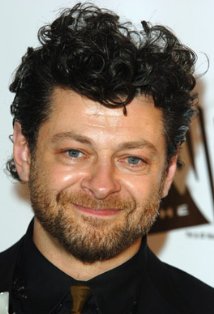
6. Andy Serkis


Why He’s Awesome-Andy Serkis has played some of the highest profile characters in some of the biggest movies of the past fifteen years, characters that have become Hollywood icons and early screen legends. So why have you never heard of him? Chances are you have, you just know him as the characters he portrays such as Gollum...


King Kong

Archibald Haddock


And Caesar the Ape


Regarded as the greatest motion capture actor of all time, his performances aren’t just limited to this field. He has also performed in small but noteworthy roles in every film he motion captures, and every role he turns in is always outstanding. Of particular note was his portrayal as Mr. Alley, Nikola Tesla’s assistant in the criminally overlooked film The Prestige. He has also performed in many British works as well, such as MI-5 and Einstein and Eddington.

Why You’ve Never Heard of Him-Not surprisingly, Hollywood absolutely loathes any technology that threatens to put a dent in their actor’s salaries. As a result, new and impressive technologies and people such as stop motion characterization actors are often crapped on by studios, no matter how talented they are. Despite all of this resistance however, Mr. Serkis’ skills still shine through, which forced the American Film Institute to have an honest to God debate about whether they could nominate Caesar the Ape for an Oscar or not.

Where You Can See Him Next-Andy Serkis will be reprising his legendary role as Gollum in the upcoming Hobbit trilogy starting this Christmas… provided that pesky impending apocalypse falls through.